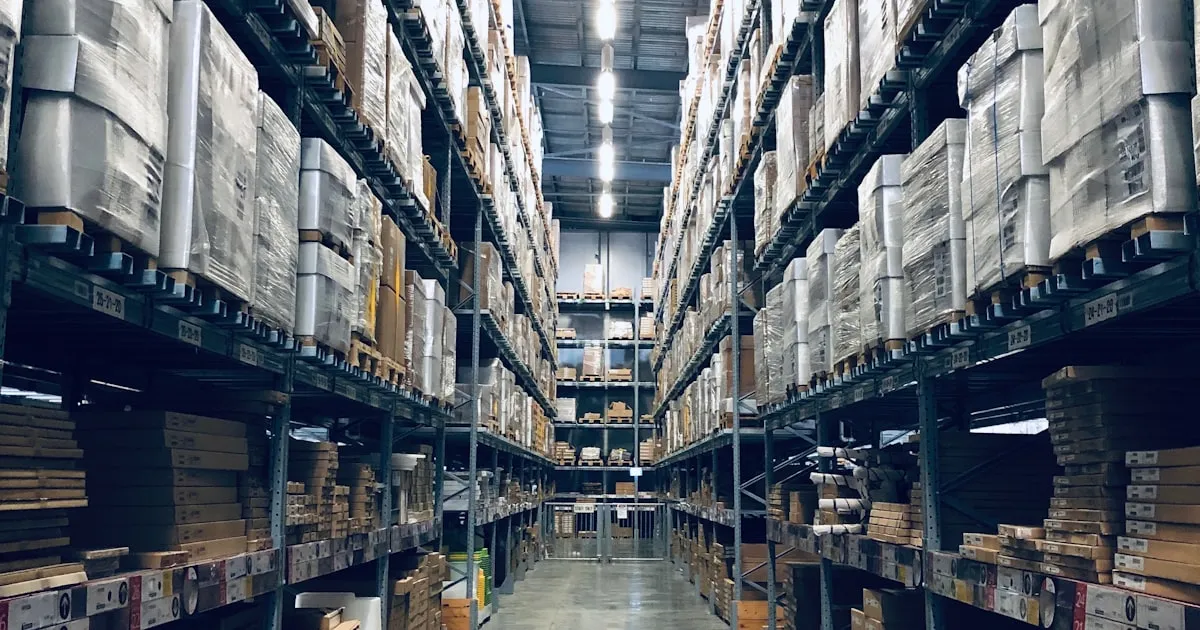
How Real-Time Inventory Visibility Prevents Stockouts and Reduces Emergency Orders
The midnight phone call every warehouse manager dreads: "We're out of stock on our best-selling item, and the production line is about to shut down." Emergency orders follow—expensive, rushed, and profit-crushing. What if this scenario became obsolete?
Real-time inventory visibility doesn't just show you what's on your shelves. It transforms your entire operation from reactive firefighting to proactive optimization. Here's how modern warehouse management systems eliminate the costly cycle of stockouts and emergency orders.
The Hidden Cost of Poor Inventory Visibility
Traditional inventory management operates on assumptions and delays. Weekly counts, manual updates, and batch processing create dangerous blind spots. By the time you discover a stockout, it's already too late.
Consider these real costs:
Emergency Order Premiums: Rush orders typically cost 150-300% more than standard procurement. Air freight instead of ground shipping, overtime labor, and supplier expedite fees compound quickly.
Lost Sales Revenue: The average stockout costs retailers 4% of annual sales. For manufacturers, production line shutdowns can cost $50,000 per hour or more.
Customer Relationship Damage: 43% of customers switch to competitors after experiencing stockouts. B2B relationships suffer even greater long-term impact.
Labor Inefficiency: Staff scramble to locate alternative inventory, rework orders, and communicate delays. This chaos spreads throughout the organization.
How Real-Time Visibility Changes Everything
Modern WMS platforms provide continuous inventory tracking that updates every transaction instantly. This isn't just faster reporting—it's fundamentally different decision-making capability.
Instant Transaction Processing
Every movement registers immediately:
- Receiving updates inventory levels before items reach storage locations
- Picking automatically decrements available quantities
- Cycle counts adjust discrepancies in real-time
- Returns processing restores inventory instantly
Multi-Location Visibility
Real-time systems track inventory across:
- Multiple warehouse locations
- In-transit shipments between facilities
- Consignment inventory at customer sites
- Supplier-managed inventory programs
This comprehensive view prevents local stockouts when inventory exists elsewhere in your network.
Automated Threshold Monitoring
Smart WMS platforms continuously monitor inventory levels against dynamic reorder points. Unlike static minimum quantities, these systems consider:
- Current demand velocity
- Lead time variations
- Seasonal patterns
- Promotional impacts
When levels approach critical thresholds, automated alerts trigger before stockouts occur.
Proactive Replenishment Strategies
Real-time visibility enables sophisticated replenishment approaches that eliminate emergency orders entirely.
Dynamic Safety Stock Optimization
Traditional safety stock calculations use historical averages. Real-time systems adjust safety levels based on:
- Current demand patterns
- Supplier performance metrics
- Seasonal fluctuations
- Market conditions
This prevents both stockouts and excess inventory carrying costs.
Demand Signal Integration
Advanced WMS platforms integrate multiple demand signals:
- Point-of-sale data from retail locations
- Production schedules from manufacturing
- Marketing campaign timing
- Promotional event planning
This comprehensive demand picture enables precise inventory positioning before customer demand materializes.
Supplier Collaboration Platforms
Real-time inventory data shared with suppliers enables:
- Vendor-managed inventory programs
- Collaborative planning and replenishment
- Automatic purchase order generation
- Performance-based partnerships
Suppliers become extension of your inventory management team, not just order fulfillment vendors.
Technology Architecture for Real-Time Success
Implementing real-time inventory visibility requires robust technological infrastructure.
IoT Sensor Integration
Modern warehouses deploy sensors throughout operations:
- Weight sensors on storage racks detect quantity changes
- RFID readers track item movements automatically
- Temperature sensors monitor condition-sensitive inventory
- Motion detectors identify unauthorized access
These sensors feed continuous data streams into the WMS platform.
Mobile Device Connectivity
Warehouse staff equipped with mobile devices provide real-time data input:
- Barcode scanning updates transactions instantly
- Voice-directed picking confirms movements
- Digital forms eliminate paper delays
- Photo capture documents exceptions
Mobile connectivity eliminates the batch processing delays that create visibility gaps.
Cloud-Based Processing
Cloud infrastructure enables real-time processing capabilities:
- Instant data synchronization across locations
- Scalable computing power for complex calculations
- Continuous system availability
- Automatic software updates
On-premise systems simply cannot match cloud-based real-time performance.
Implementation Best Practices
Successfully deploying real-time inventory visibility requires systematic approach.
Start with Data Quality
Real-time systems amplify data quality issues. Before implementation:
- Conduct comprehensive physical inventory audits
- Standardize item master data across systems
- Implement barcode labeling standards
- Train staff on data accuracy importance
Clean data foundation ensures real-time insights remain reliable.
Integrate Systems Progressively
Avoid "big bang" implementations. Instead:
- Begin with highest-value product categories
- Add locations systematically
- Integrate one system interface at a time
- Validate accuracy before expanding scope
This reduces risk while building organizational confidence.
Establish Performance Metrics
Track real-time visibility impact:
- Stockout frequency reduction
- Emergency order cost savings
- Inventory turn rate improvements
- Customer service level increases
These metrics demonstrate ROI and guide continuous improvement.
The Competitive Advantage
Organizations with real-time inventory visibility operate fundamentally differently. They respond to opportunities instead of reacting to crises. Customer service improves because promises can be kept. Costs decrease because expensive emergency measures become unnecessary.
The question isn't whether real-time inventory visibility provides value—it's how quickly you can implement it. Every day of delay represents continued exposure to stockout risks and emergency order costs.
Ready to eliminate emergency orders from your operations? Real-time inventory visibility through advanced WMS technology transforms warehouse management from constant crisis response to strategic competitive advantage. The technology exists today—the only question is when you'll deploy it.